
We plan for all sorts of events in our life, but illness, aging, and dying are not things we typically want to ponder and discuss. Yet, a conversation about hospice and palliative care is so helpful for you, your loved ones, and your healthcare providers.
It is important to recognize that it is better to have conversations about your preferences before a healthcare crisis occurs. Use the time and clarity that exists outside of an emergency situation or before receiving news of a serious diagnosis to consider your options. What would you want? What wouldn’t you want?
It is also important to realize that this will be an ongoing conversation as your health status, goals, and priorities change—subtly or significantly—over time and with different circumstances. What are you willing to sacrifice in the event of this happening? What outcomes are or are not acceptable to you?
Finally, it is important to remember that hospice and palliative care is not focused on dying. Rather this type of care is about living with serious illness and making choices as your health declines. Discussing hospice and palliative care will help ensure that the care you receive aligns with your values and choices.
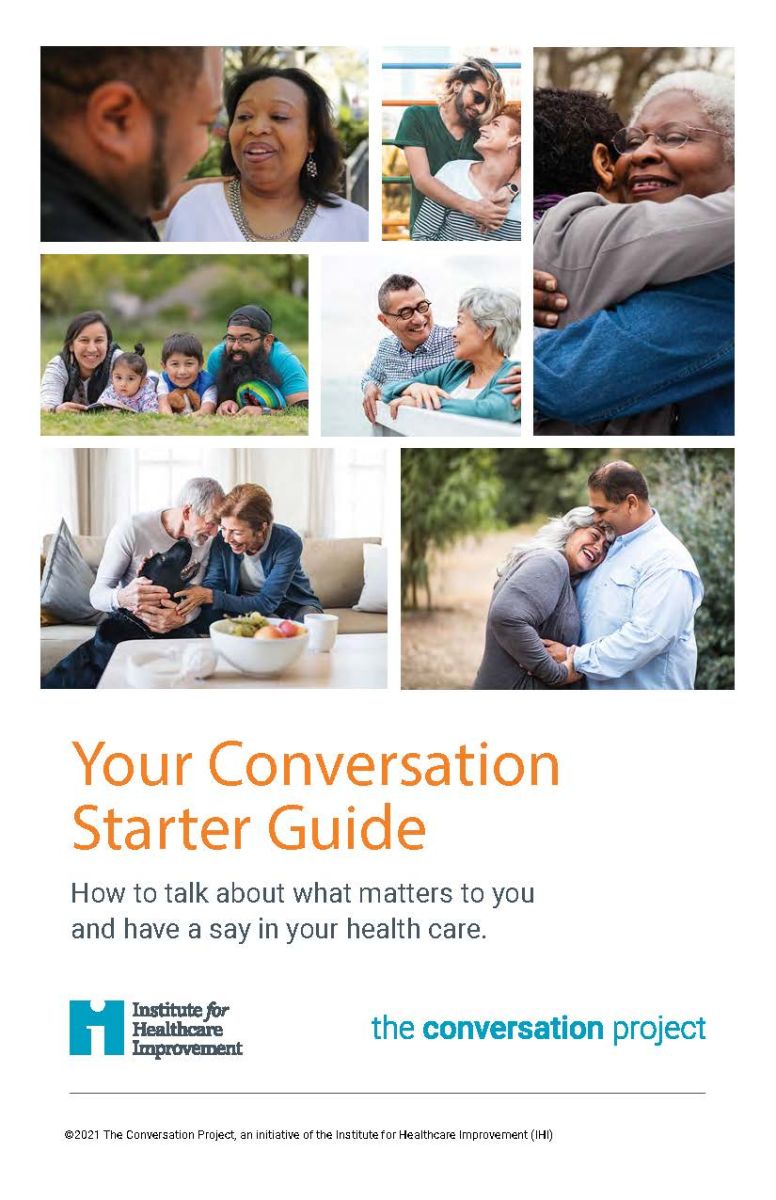 The Conversation Project is a public engagement initiative of the Institute for Healthcare Improvement (IHI). Their website provides talking points and discussion guides so each person’s wishes for care in the event of serious illness or at the end of life can be understood and respected. The website also offers information for caregivers and healthcare proxies. Visit https://theconversationproject.org/ to learn more.
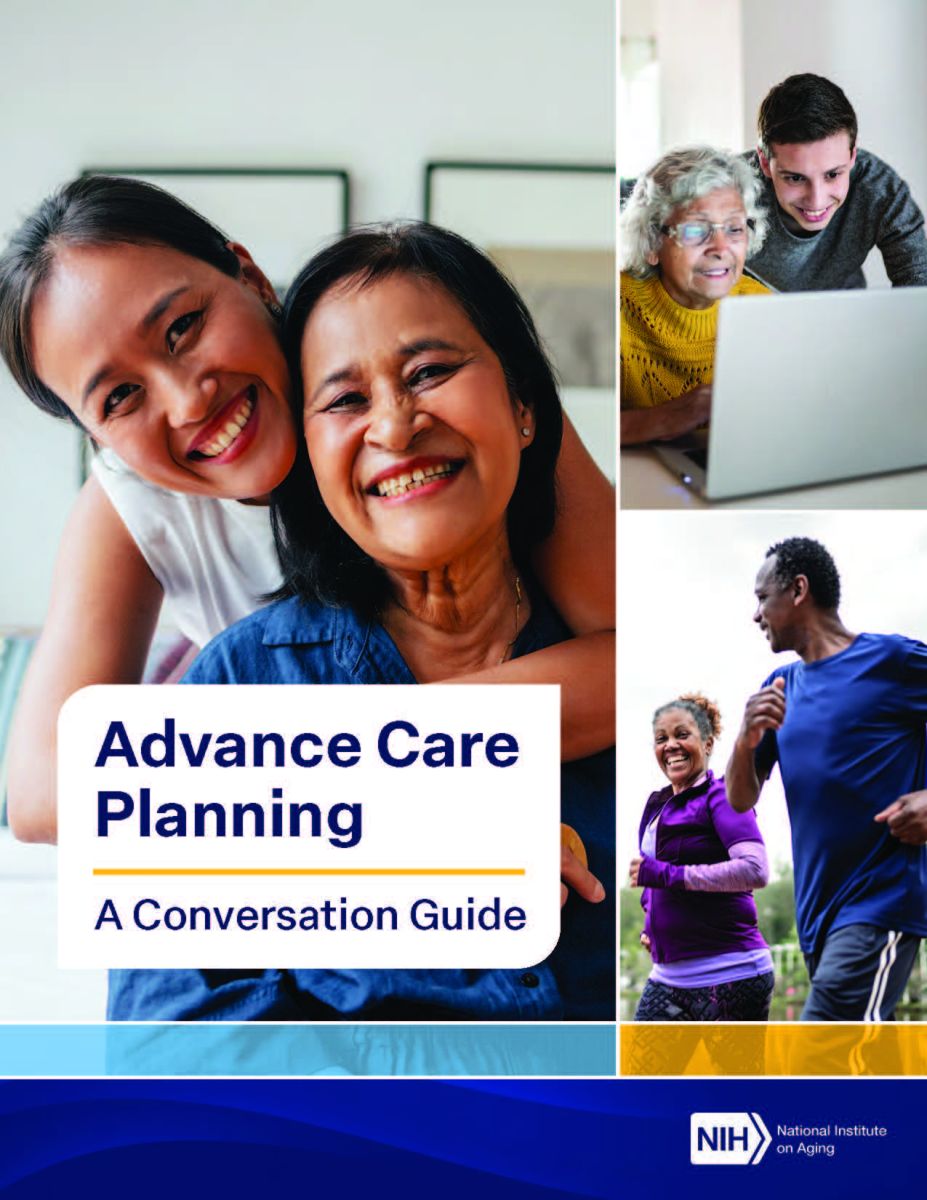 The National Institute on Aging offers an advance care planning guide at their website. They offer tips and language to navigate advance directives and
healthcare planning. Visit: https://www.nia.nih.gov/health/advance-care-planning/advance-care-planning-and-health-care-decisions-tips-caregivers-and
to find the link to their conversation guide.